The Fireman Nobody Has to Worry About
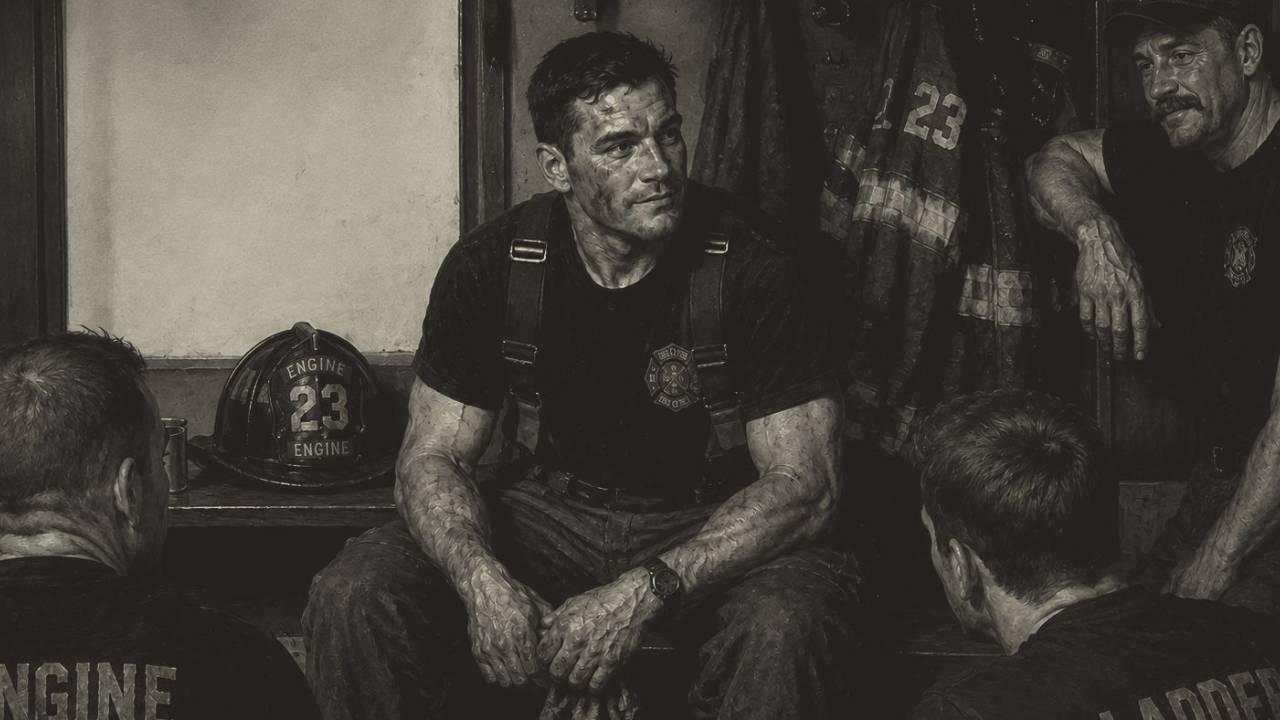
The Fireman Nobody Has to Worry About
On quiet competence, earned trust, and becoming easy to count on.
Every good firehouse has one.
The guy nobody checks on.
Nobody wonders if his gear is ready.
Nobody wonders if he knows where he’s riding or what his assignment is.
Nobody wonders if he checked the rig, knows the district, or paid attention during the drill.
When the tones drop, nobody wonders if he’ll be ready.
When things get ugly, nobody wonders if he’ll keep his head.
When something needs to be done, nobody wonders if he’ll do it.
He’s handled.
There may not be a better compliment in the fire service than that.
“Don’t worry about him. He’s good.”
There is an enormous amount of trust packed into those few words.
And in a culture increasingly obsessed with leadership, we don’t talk about that kind of leadership nearly enough.
We tend to picture leadership as influence.
Being charismatic, commanding, inspirational, assertive, visible.
We picture the officer at the kitchen table giving the speech. The senior guy running the drill. The person with the answer. The person everyone is listening to.
And certainly, leadership sometimes looks like that.
But one of the highest forms of leadership in a firehouse is much quieter.
It is simply becoming a person who removes uncertainty from the lives of everyone around him.
Your officer doesn’t have to manage you.
Your crew doesn’t have to compensate for you.
Nobody has to remind you.
Nobody has to quietly double-check what you were supposed to check.
Nobody has to wonder whether you’re going to make a simple problem complicated.
You’re where you’re supposed to be.
Your equipment is ready.
You know your job.
You notice things.
You handle the small stuff before it becomes big stuff.
And when you don’t know something, you say so.
Then you go learn it.
That matters.
Uncertainty Is Heavy
Every company officer knows this, whether he’s ever put words to it or not.
There are people who add weight to an officer’s day.
They have to be watched.
Reminded.
Followed up with.
Their work has to be checked.
Their moods have to be managed.
Simple assignments somehow develop loose ends.
None of these things seem catastrophic by themselves.
But they accumulate.
And then there are people who do the opposite.
They make the load lighter.
You give them something and, for all practical purposes, you can stop thinking about it.
That’s a hell of a thing to be.
Become Easy to Trust
Trust in the firehouse isn’t built in grand moments nearly as often as we imagine.
It’s built in hundreds of boring ones.
You said you’d take care of something.
You took care of it.
You were supposed to know something.
You learned it.
You screwed something up.
You owned it.
Someone needed help.
You noticed before they had to ask.
You were tired, irritated, hungry, frustrated, and nobody had to wonder which version of you was going to walk through the door.
Do that long enough and something changes.
People stop checking.
Not because they don’t care.
Because they know.
Then the Tones Drop
Eventually that trust follows you onto the fireground.
That’s where all those little moments begin to matter.
Because a fireground is uncertainty.
Information is incomplete.
Conditions change.
Plans fail.
People get separated.
Communications are missed.
Something that looked routine thirty seconds ago suddenly isn’t.
In that environment, a firefighter who reduces uncertainty is incredibly valuable.
You hear his voice on the radio and something in your mind settles.
You see him coming down the hallway and you’re glad it’s him.
You hand him a problem and turn back toward yours.
Not because he has a slogan about leadership taped inside his locker.
Because you’ve watched him handle things a thousand times before.
You Don’t Need Rank for This
This is one of the great misunderstandings about leadership.
People wait for permission.
They wait for bugles.
Seniority.
A title.
An assignment.
Somebody to officially acknowledge that they are now in a position to lead.
But you can become the fireman nobody has to worry about long before anybody pins anything on your collar.
In fact, you probably should.
The rookie can do it.
He can’t have twenty years of experience.
He can’t know everything.
Nobody expects him to.
But he can be where he’s supposed to be.
He can listen.
He can keep his equipment ready.
He can ask good questions.
He can make the same mistake once instead of five times.
He can become known as the rookie who gives a damn.
That’s the beginning.
And twenty years later, the principle hasn’t changed much.
The responsibilities have.
The stakes have.
But the job is still asking the same basic question:
Can we count on you?
The Highest Compliment
The funny thing is, if you become this kind of firefighter, you may not hear much about it.
Reliability isn’t flashy.
People notice the person who screws everything up because suddenly everyone has to deal with it.
Competence often disappears into the background.
The rig is ready.
The tool works.
The assignment gets completed.
The rookie gets squared away.
The problem gets handled.
Life moves on.
There may be no applause.
That’s okay.
The reward is something better.
It’s the officer who gives you the assignment and walks away.
It’s the firefighter who sees you’re riding behind him and feels good about it.
It’s the new kid who finds you when he doesn’t understand something.
It’s somebody saying your name in a conversation you aren’t even part of:
“Don’t worry about him.”
“He’s good.”
That’s reputation in its purest form.
Not the reputation you announce.
The reputation other people carry around about you.
And you don’t build it by trying to look like a leader.
You build it by becoming useful.
Competent.
Steady.
Honest.
Prepared.
Again.
And again.
And again.
Until eventually people stop wondering.
They just know.
Become easy to trust.